
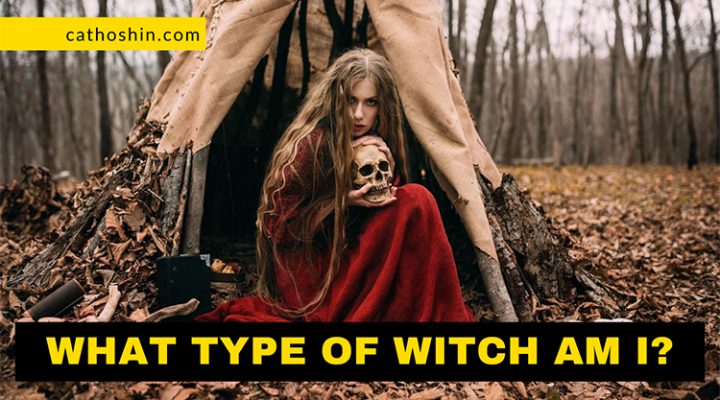
What Type of Witch am I? (with 12 Witch Types Revealed)
The type of witch you are depends on what you are naturally drawn to: plants point to a green witch, cooking to a kitchen witch, the ocean to a sea witch, tarot to a divination witch, the stars to a cosmic witch, and a mix of everything to an eclectic witch. There is no test to pass, and most people fit two or three types at once.
If you feel pulled toward magic and keep asking yourself “what type of witch am I?”, this guide will help you answer it. It covers twelve types of witches, with the signs that each one may fit you and a simple first practice to try. A quick comparison table and a short self-check are included.
What Type of Witch Am I? A Quick Self-Check

Read the statements below and notice which ones feel true. The type beside your strongest answers is a good place to start.
| If you are drawn to… | You may be a… | Core tools |
|---|---|---|
| Gardens, forests, herbs | Green witch | Plants, soil, seeds |
| Cooking and home | Kitchen witch | Food, herbs, hearth |
| Ocean, rain, tides | Sea witch | Shells, salt, water |
| Tarot, intuition, symbols | Divination witch | Cards, runes, pendulum |
| Astrology and the moon | Cosmic witch | Birth chart, moon calendar |
| Dreams and meditation | Hedge witch | Journal, herbs, trance |
| Folklore and local history | Traditional witch | Charms, old texts |
| Family customs | Hereditary witch | Inherited recipes and rites |
| Formal, structured ritual | Ceremonial witch | Set tools and scripts |
| Symbolism without religion | Secular witch | Candles, journaling |
| Practicing alone | Solitary witch | Personal altar |
| A bit of everything | Eclectic witch | Whatever works for you |
Keep in mind that these labels describe styles of practice. They are not ranks, and no type is more powerful than another. If you are still deciding whether witchcraft is for you at all, our spell casting guide for beginners explains the basics.
12 Types of Witches Explained
1. Traditional witch
Traditional witches work with the folk magic of a particular place, often the region their family comes from. They study local history, plants, charms and seasonal customs, and they tend to prefer old sources to modern systems.
- This may be you if: You love folklore, old books and the history of your home region.
- Try this first: Collect one local folk custom or charm and learn the story behind it.
2. Sea witch
Sea witches draw on water: the ocean, tides, storms and the moon that moves them. Shells, driftwood, sea salt and collected rainwater are their tools. A sea witch who lives inland may work with rivers and lakes.
- This may be you if: You feel calmest near water and collect shells or sea glass without thinking about it.
- Try this first: Make a jar of moon water or try one of our spiritual bath recipes.
3. Kitchen witch
Kitchen witches, sometimes named hearth witches, make magic through cooking and caring for the home. Stirring an intention into soup, baking bread for a celebration and keeping herbs by the window are all part of the practice.
- This may be you if: You show love by feeding people and your kitchen is the heart of your home.
- Try this first: Stir your next pot clockwise while you think of one good wish for those who will eat it.
4. Green witch
Green witches work with plants, trees and the land. They grow herbs, learn what each plant is traditionally used for, and spend a lot of time outdoors. Gardening and foraging are their rituals.
- This may be you if: You talk to your houseplants and feel restored by a walk in the woods.
- Try this first: Grow one herb, such as rosemary or basil, and learn its folklore.
5. Divination witch
Divination witches focus on insight. Tarot, oracle cards, runes, pendulums, tea leaves and scrying are their main tools, and they use them for reflection and guidance.
- This may be you if: You are intuitive, you notice patterns and friends come to you for advice.
- Try this first: Pull one tarot card each morning for a month and write down what you notice.
6. Cosmic witch
Cosmic witches, also known as star witches, follow astrology and astronomy. They plan their work around moon phases, planetary movements and events such as eclipses and meteor showers.
- This may be you if: You know your birth chart and check what phase the moon is in.
- Try this first: Track the lunar cycle for one month, starting with our guides to the new moon and the waning moon.
7. Hereditary witch
Hereditary witches inherit their practice. A grandparent or parent passed down remedies, sayings, prayers or rituals, and the witch continues and adapts them. Each family tradition is different.
- This may be you if: Your family has its own customs, cures or stories about relatives with a gift.
- Try this first: Ask your oldest relatives about family remedies and traditions, and write them down.
8. Hedge witch
Hedge witches work at the edge between the everyday world and the unseen. The hedge is a symbol of that boundary. Their practice centers on meditation, dreams, trance and herbal knowledge, and they usually work alone.
- This may be you if: You have vivid dreams, enjoy meditation and feel at home on the edges of things.
- Try this first: Keep a dream journal by your bed and write in it every morning.
9. Solitary witch
Solitary witches practice on their own instead of in a coven. They may follow any tradition. What defines them is independence: they study, celebrate and cast alone, and often keep their practice private.
- This may be you if: You learn best by yourself and prefer quiet rituals to group events.
- Try this first: Create a small personal altar and learn how to cast a circle.
10. Eclectic witch
Eclectic witches blend methods from many sources into a personal practice. They might use tarot from one tradition, herbs from another and their own invented rituals. Respectful research is important, especially with practices from living cultures.
- This may be you if: You are curious about everything and dislike being limited to one system.
- Try this first: Choose two practices that interest you and study each for a month before combining them.
11. Ceremonial witch
Ceremonial witches value structure. Their rituals follow set steps, with specific tools, words, timing and symbols, often drawn from historical systems of ceremonial magic. Precision is part of the appeal.
- This may be you if: You enjoy formal ritual, detailed study and doing things in the correct order.
- Try this first: Learn the purpose of spoken formulas in our guide to the incantation.
12. Secular witch
Secular witches practice without religion. They do not work with deities, and many see magic as psychology, symbolism and focused intention. Candles, crystals and spells are tools for mindset.
- This may be you if: You like ritual and symbolism but do not hold religious beliefs.
- Try this first: Read our balanced look at the question: is witchcraft real.
How to Find Out Your Type of Witch

Reading descriptions is a start, but your type becomes clear through practice. These five steps help.
- Notice what you already do. You may have been a green witch for years without using the word, simply because you grow herbs and feel better outdoors.
- Follow your curiosity. Which section above did you read twice? Which tools do you want to touch?
- Try one small practice. Use the “try this first” idea under two or three types and see which one you look forward to repeating.
- Keep a notebook. Often named a grimoire or book of shadows, it is a record of what you try and how it feels. Patterns appear within a few weeks.
- Let it change. Many witches move between types over the years. A label should serve you, and you can drop it when it no longer fits.
Starter tools for any type
You do not need to buy much. A notebook, a white candle and a quiet corner are enough to begin. As your interests become clearer, you can add items that match them:
- Candles in a few colors. Our candle magic colors guide explains what each one is used for.
- One or two crystals. See what crystals are used for and our overview of the seven chakra stones.
- A good introductory book. Our list of books about white magic is a helpful starting point.
Can You Be More Than One Type of Witch?
Yes, and most people are. The twelve types overlap in many ways. Solitary and hereditary describe how you learn and practice. Green, sea, kitchen and cosmic describe what you work with. Ceremonial and eclectic describe your method. So a person can easily be a solitary, eclectic kitchen witch with a strong interest in the moon.
Think of the types as a map and not as a set of boxes. Use them to find books, communities and ideas that match your interests. If none of the labels feels right, “witch” on its own is enough.
Common Myths About Witch Types
- Myth: you must choose one type. There is no rule that says so. Types are descriptions that help you learn.
- Myth: some types are stronger. A practice is as meaningful as the attention you bring to it.
- Myth: you need a coven or an initiation. Some traditions have them, but a great many witches practice alone.
- Myth: you need expensive tools. Kitchen herbs, tap water, a candle and a notebook cover most beginner rituals.
- Myth: witchcraft is one religion. People of many faiths, and of none, practice witchcraft in their own way.
Frequently Asked Questions
What type of witch am I?
Your witch type is the style of practice that fits your interests. If you love plants you may be a green witch, if you love cooking a kitchen witch, if you are drawn to the ocean a sea witch, and if you like to mix methods an eclectic witch. Most people blend two or three types.
How many types of witches are there?
There is no official number. Modern witchcraft books and communities commonly describe between ten and twenty types. This guide covers twelve of the most widely used: traditional, sea, kitchen, green, divination, cosmic, hereditary, hedge, solitary, eclectic, ceremonial and secular.
Can I be more than one type of witch?
Yes. The types are descriptions and not membership rules. A person can be a solitary green witch who also reads tarot. Many practitioners simply call themselves eclectic.
What is the most common type of witch?
Eclectic and solitary witches are generally thought to be the most common today, because many people learn from books and online communities and build a personal practice without joining a coven.
Do I need to be born a witch?
No. A hereditary witch learns a family tradition, but most modern witches choose the path themselves and learn through study and practice. Interest and commitment matter more than ancestry.
What is a baby witch?
Baby witch is an informal term for a beginner. It carries no formal meaning. Many newcomers use it while they explore different styles before settling on the practice that suits them.
Is being a witch the same as being Wiccan?
No. Wicca is a specific modern religion with its own beliefs and holidays. Witchcraft is a practice that people of many beliefs, or none, can follow. Some witches are Wiccan and many are not.
How do I start practicing once I know my type?
Start small. Keep a notebook, learn one basic skill linked to your type, such as growing a herb or reading one tarot card a day, and follow the moon phases for a month. Read widely and add tools slowly.
Summary
The answer to “what type of witch am I?” is found in what you love. Start with the type that made you nod as you read, try its first practice this week and write down how it goes. Your path will become clearer with every small step, and you are free to blend, change and grow along the way.
Disclaimer: This article describes spiritual and folk traditions for information and entertainment. It is not professional, medical or psychological advice.

I scored 23 but that witch isn’t me. I hate more than not but Everyone loves me and follows me. I’ve done magic before quite well but only negative works best and I enjoy it.
wow! I can relate to that perfectly Shari. I’m not sure what to make of it myself.
Much love & light always.
Namaste